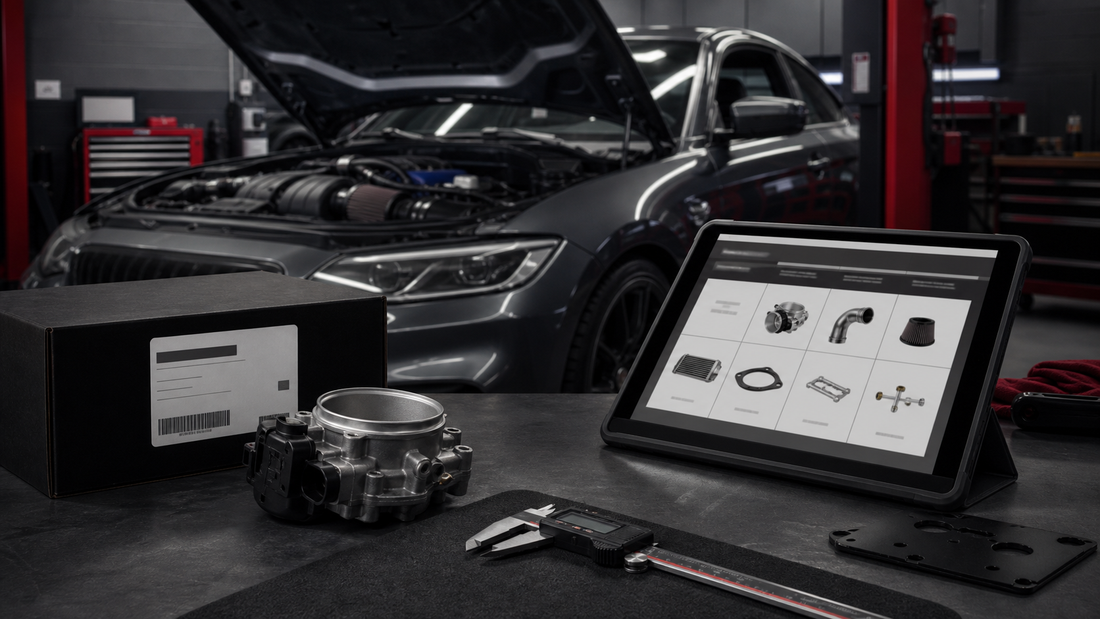
Clean or replace an engine air filter according to the vehicle and filter manufacturers' instructions, adjusted for actual driving conditions. A vehicle operating in dust, construction traffic, wildfire ash or unpaved areas may need inspection much sooner than one driven on clean paved roads. The media type also matters: many paper filters are replaced, while some dry synthetic and oiled filters use specific cleaning procedures.
Key takeaways
- Use the specified service interval as a baseline, then inspect more often in severe conditions.
- Do not wash, blow out or oil a filter unless its manufacturer explicitly permits it.
- Replace any filter with torn media, damaged seals, separated end caps or contamination that cannot be safely removed.
- Inspect the airbox and sealing surfaces whenever the filter is serviced.
What the engine air filter does
The filter captures airborne particles before they enter the intake. Effective sealing and filtration help protect cylinder walls, piston rings, turbocharger compressor blades and airflow sensors. As debris accumulates, restriction can increase, but visible color alone is not a universal measurement of remaining capacity.
A slightly dusty filter may still operate normally, while one with clogged pleats, damaged media or a bypass gap needs attention. Follow product-specific inspection criteria where supplied.
Start with the correct interval
Check the owner's manual for the original filter schedule and severe-service definition. Aftermarket reusable filters can use different inspection or cleaning intervals, so retain their documentation. Avoid a universal mileage rule because climate, road surface, intake location and filter size vary widely.
| Operating condition | Inspection approach | Reason |
|---|---|---|
| Clean paved commuting | Follow normal schedule and periodic visual checks | Relatively predictable dust load |
| Construction or gravel roads | Inspect more frequently | Higher airborne particle exposure |
| Wildfire smoke or heavy ash | Inspect promptly after exposure | Fine particles can load media |
| Off-road or agricultural use | Use severe-service guidance | Concentrated dust and debris |
| Low-mounted aftermarket intake | Check after wet or dirty conditions | Greater water and road-debris exposure |
Signs the filter needs inspection
- The scheduled interval has arrived.
- The vehicle has recently operated in unusually dusty or smoky conditions.
- Visible debris fills the pleats or blocks a large portion of the surface.
- The airbox contains dirt on the clean side of the filter.
- The filter seal is distorted, hardened or split.
- Fuel economy or performance has changed and basic maintenance is being diagnosed.
Reduced performance, warning lights or unusual fuel trims have many possible causes. Do not assume the filter is responsible without inspection and diagnosis.
Replace rather than clean disposable filters
Traditional paper elements are commonly designed for replacement. Washing can damage fibers, and compressed air can open holes that are difficult to see. Tapping the filter aggressively can also crack end caps or loosen seals. If the product is not explicitly described as serviceable, install a correct new element.
Cleaning a reusable dry filter
Reusable dry-media procedures vary. Some permit gentle rinsing with a specified cleaner; others use a different method. Remove the filter carefully, protect the clean intake opening and follow the exact direction of rinse and drying instructions. Allow it to air-dry completely. Do not apply oil to dry media.
Cleaning and re-oiling an oiled filter
Use only the cleaner and oil intended for the filter material. After cleaning, allow the media to dry naturally. Apply the specified amount evenly and allow it to wick through the media before inspecting for light areas. Excess oil should not be used to make the filter appear darker.
Inspect the complete airbox
- Note filter orientation before removal.
- Keep loose dirt from falling into the clean intake tract.
- Wipe the housing using a safe lint-free method.
- Inspect clips, screws, latches, drains and duct connections.
- Check the filter seal around the full perimeter.
- Confirm hoses and sensor connectors remain secure.
- Close the housing evenly without forcing it.
When replacement is mandatory
Replace the filter when media is torn, punctured, permanently deformed or separating from an end cap. Replace it when the gasket no longer seals, wire mesh is damaged, mold or chemical contamination is present, or a reusable filter has reached its specified service life. A filter exposed to significant water ingestion should be inspected immediately and replaced when integrity is uncertain.
How to choose the right replacement
- Confirm year, make, model, generation, engine and airbox type.
- Match the exact manufacturer part number and dimensions.
- Choose dry, oiled, reusable or disposable media based on approved application and maintenance preference.
- Inspect the removed filter shape and sealing edge against the replacement.
- Check any aftermarket intake documentation, since it may not use the factory filter size.
Common mistakes
- Servicing only by appearance or a generic mileage number.
- Using compressed air on delicate media.
- Washing a disposable paper filter.
- Reinstalling reusable media while wet.
- Over-oiling near a MAF sensor.
- Leaving debris in the housing or pinching the seal.
- Forcing an incorrect filter into the airbox.
Find application-specific options in the FSP air-filter collection and drop-in air filters. Verify the exact live product fitment before ordering.
Frequently asked questions
Can I inspect a filter by holding it up to light?
Light transmission can be one observation, but it is not a universal service test. Use the manufacturer's criteria.
Can a dirty air filter trigger a check-engine light?
Severe restriction or related airflow issues may contribute, but many faults have other causes. Read and diagnose the codes.
Should I replace the filter after driving in smoke?
Inspect it promptly after heavy smoke or ash exposure and follow severe-service guidance.
Can I vacuum an air filter?
Only if the manufacturer permits that exact method. Aggressive suction or contact can damage media.
Maintenance note: Prevent dirt from entering the clean intake tract during service. Replace uncertain or damaged media rather than risking engine contamination.